

Attorneys for Blackjewel accuse ousted CEO Jeffery Hoops of looting the coal company over years, alleging he may have funneled money from the company into other Hoops’ family enterprises in potentially fraudulent ways.
The Jan. 9 filing paints a narrative of how Blackjewel lawyers suspect Hoops may have hollowed out the company before its July 1 bankruptcy filing.
The accusations came in filings where Blackjewel attorneys asked a West Virginia judge for access to financial documents and communications between Hoops, his family members and a web of businesses they control. The lawyers hope they can recoup money from Hoops toward Blackjewel’s estate. When the business filed for bankruptcy it left numerous employees, small businesses, large businesses, state and local governments unpaid.

“It appears that Hoops acted with one guiding principle,” the court filing read, “to use [Blackjewel and its subsidiaries] and their assets to improve his personal, and the Hoops Parties’, bottom line—despite the harm it caused [the coal companies] and their creditors.”
The lawyers for Blackjewel allege Hoops transferred tens of millions of dollars out of the coal company in a “years-long effort.”
Hoops’ lawyer did not respond to a message left with an assistant Monday. “No agreement was reached” in attempts by Blackjewel’s lawyers to meet with or receive documents from Hoops and his lawyers, according to the filing.
The transferring of assets to Hoops’ entities went on, the court filing alleges, as the company was losing money and “had not generated positive cash flow from operations for years.”
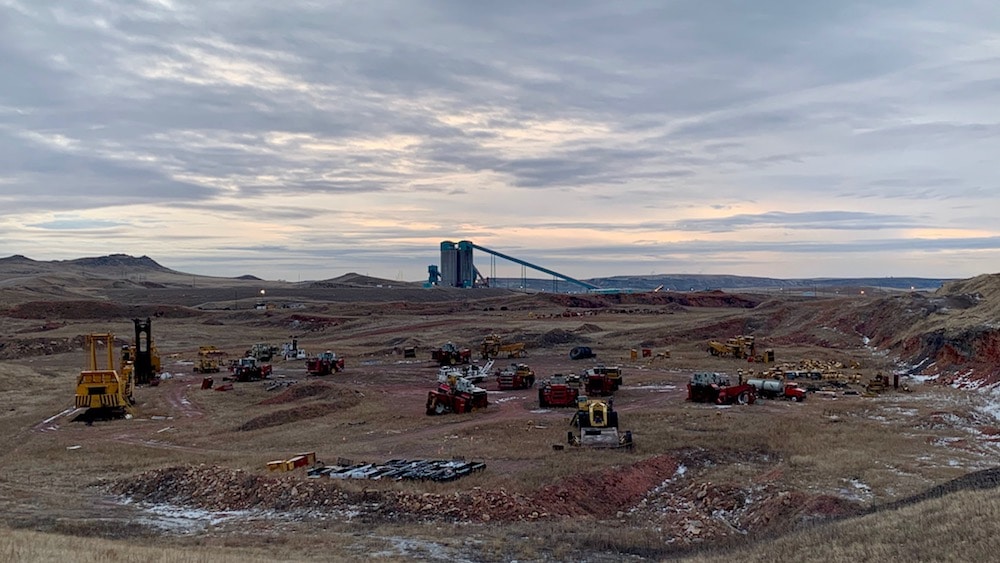
Hoops acquired two large Wyoming mines, Eagle Butte and Belle Ayr, from Contura Energy in 2017. That company wanted to get out of the Powder River Basin coal industry and handed the mines to Hoops at a loss.
The filing accuses Hoops — who once called financial institutions that ousted him from the company “vulture capitalists” — of picking over the unprofitable coal assets for what gains he could.
There was “no realistic plan” to return Blackjewel to profitability and solvency, the lawyers wrote, “yet all the while the Hoops Parties continued to be unjustly enriched.”
The lawyers asked the judge to order Hoops, a number of his family members and 19 businesses and LLCs to provide testimony and documents in a form of discovery common before a civil lawsuit. Many of the companies named appeared in a flurry of late October filings by Hoops and his family members’ companies, in which they sought to recoup nearly $30 million from the bankruptcy court.
Lawyers for the company have been involved in “ongoing efforts to untangle this web,” of Hoops’ entities and dealings between them, and now want to further investigate a number of transactions. Doing so could allow them to make a “substantial recovery” of money allegedly taken improperly from Blackjewel, they wrote.
The filing does not discuss whether Hoops is also under any criminal investigation, though the lawyers note they notified the U.S. Attorney for West Virginia and the U.S. Internal Revenue of their latest filing.
Bankruptcy court, however, brings its own investigative powers. Bankruptcy rules allow examination of “the acts, conduct, or property or to the liabilities and financial condition of the debtor, or to any matter which may affect the administration of the debtor’s estate.” Blackjewel lawyers suggested such authority is “broad” and allows them to investigate any wrongdoing.
They are investigating transfers of cash and assets from Blackjewel to Hoops and his various affiliates at “potentially below-market” rates, and also investigating “above-market invoicing” for trucking, reclamation, insurance and water management services provided by different Hoops’ affiliates.
The lawyers also included Hoops’ massive resort project in West Virginia, the Grand Patrician Resort.
Support independent journalism — donate to WyoFile today
Just in the 90 days before the bankruptcy, “Hoops-related entities” received around $7 million in cash and property from the soon-to-be bankrupt coal companies, the filing alleges. The lawyers also want to investigate whether the coal companies were paying bills on behalf of other Hoops’ entities.
In 2019, Hoops’ coal companies paid more than $41 million to Hoops and Clearwater Investment Holdings, one of his companies, according to the filings. Blackjewel lawyers call those payments into question, alleging they were made on undocumented loans that were never presented to Blackjewel’s board of directors or any other third party.
The payments “raise significant questions about whether they were appropriate,” the lawyers wrote.


Betting nothing much comes of the investigation into the redirected money. Maybe all perfectly legal. It sounds similar to how Sears/Kmart was “gutted”.
The players know exactly how to cash out on the suffering of others.
https://www.google.com/search?q=sears+gutted+by+CEO
It’s possible there will be little recourse against Hoops, even if Blackjewel can manage to find anything to try and cry foul about. It is still crappy that a CEO can straight up loot tons of cash from a struggling company while simultaneously causing/allowing that company to outright steal money from workers paychecks, stiff contractors, and ignore its tax and cleanup obligations with little to no consequence.