

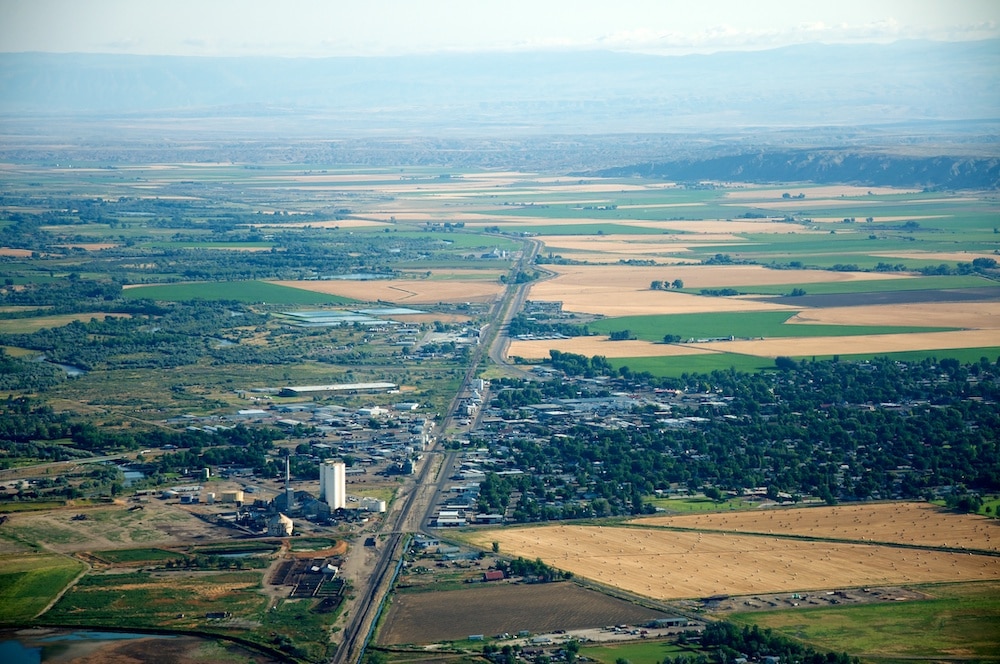
It’s not so quiet in Mills anymore.
The industrialized Casper suburb, home to just 2,500 people 20 years ago, now boasts a population of more than 4,000. A 17% population spike since the last census in 2010 helped it rank as the second fastest-growing community in the state after Bar Nunn, another Casper suburb.
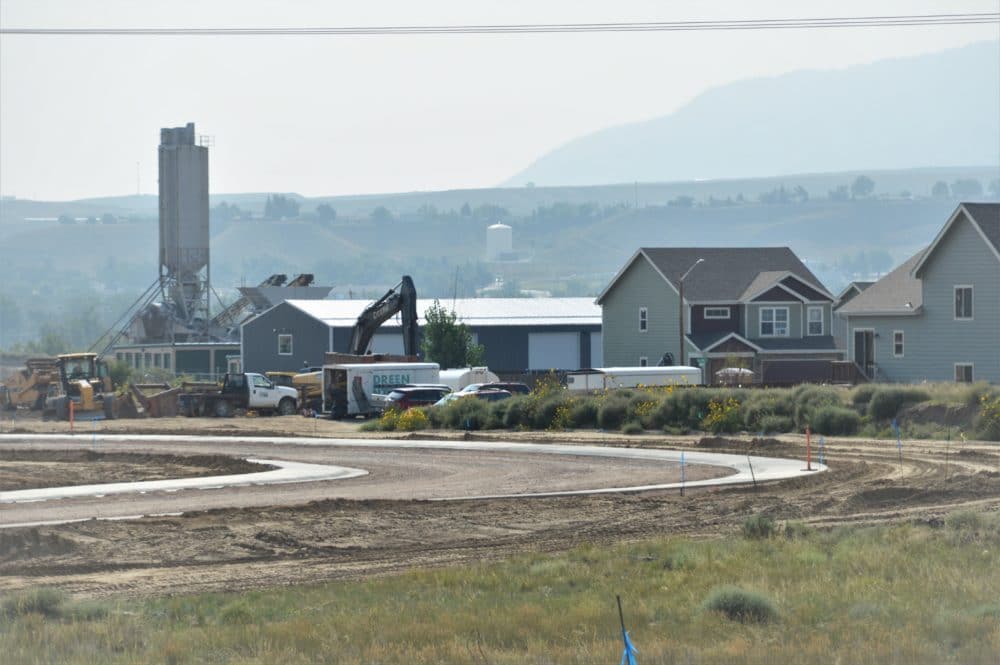
Heavy vehicles rumble beside a sleepy neighborhood in the city’s west end, where new developments have replaced fields. A gravel lot near the North Platte River sits graded and waiting, the future site of what town planner and Wyoming State Rep. Kevin O’Hearn (R-Mills) has identified as the city’s “new Main Street.”
Mills relies on federal funds to support projects like the riverfront revitalization, according to Mayor Seth Coleman. And with the growth it experienced, it’s set to receive even more.
Population plays a major role in how much state and federal funding communities receive. A swelling population means additional support.
“[Since January 2020], we have been awarded about four and a half million dollars in grants, both state and federal,” Coleman said. “And each one of those different grants deals with population.”
While those funding prospects look rosy for growing Mills — Gov. Mark Gordon declared Mills a “First Class City” last year, entitling it to a greater share of state funding — other communities across the state are experiencing a different reality. When county-level U.S. Census data was released earlier this month, nearly two-thirds of counties in Wyoming were reported to have lost population while more urbanized counties like Natrona, Laramie, Albany and Campbell saw sizeable increases. Communities rocked by recent busts in the fossil fuel industry saw some of the steepest population declines, with Carbon, Washakie and Sublette Counties experiencing losses of 8.5% or more over the last 10 years.
Compounding the challenges of reduced funding is an influx of residents that many believe wasn’t accounted for in the federal 10-year headcount. The tally was collected in April 2020, well before out-of-staters fleeing the COVID-19 pandemic began to arrive in Wyoming. The evidence is not just anecdotal: According to Wyoming state fiscal analyst Wenlin Liu, Wyoming saw an increase in in-migration between July 2019 and July 2020, with most of the gains in Campbell, Goshen, Hot Springs, Natrona, Park and Platte Counties.
“We have no empty housing,” Tracy Glanz, the City of Worland’s clerk and treasurer, said of the Washakie County seat. “School district numbers as far as we know haven’t gone down. Our wastewater treatment plant is showing almost the same numbers as we got 10 years ago, and we actually have new businesses moving into the area from out of state. We don’t believe that the census is accurate.”
If correct, the suspected disparity between the official census numbers and the true post-pandemic population will mean many Wyoming towns and counties will have to do more with less over the next decade.
Funding declines
Worland, which lost 13% of its population according to the recent census, stands to lose approximately $480,000 each year in state and federal funding at a time local officials believe their community is actually growing, Glanz said.
Because of population declines at the county level, regions with a large proportion of nontaxable federal lands inside their borders could see a decrease in allocations from the Forest Service’s Secure Rural Schools Program — which contributed $3.8 million to Wyoming last year — as well as in payments in lieu of tax payments, or PILT, from the federal government, Wyoming County Commissioners Association director Jerimiah Rieman told WyoFile.
Population decreases, he said, could impact services like firefighting and police protection, schools and road construction and search-and-rescue operations in places like Washakie County, which Rieman said relies on state and federal funding for approximately 30% of its annual budget.
It’s a concern that Gov. Mark Gordon has acknowledged.
“As people are moving into more rural communities they’re expecting better fire protection, fire protection is one thing that comes up,” Gordon told reporters in a media briefing earlier this month. “I think there are going to be services such as firefighting, water and sewer, where there are going to be challenges that the state will have to face.”
The population declines will also impact where the state’s $105 million in direct distribution funds go, Rieman said, which could add to the disparity in the level of funds that go to urban counties versus rural ones.
“Census population counts can determine where you’re going to ultimately put that investment of funds across the state,” Rieman said.
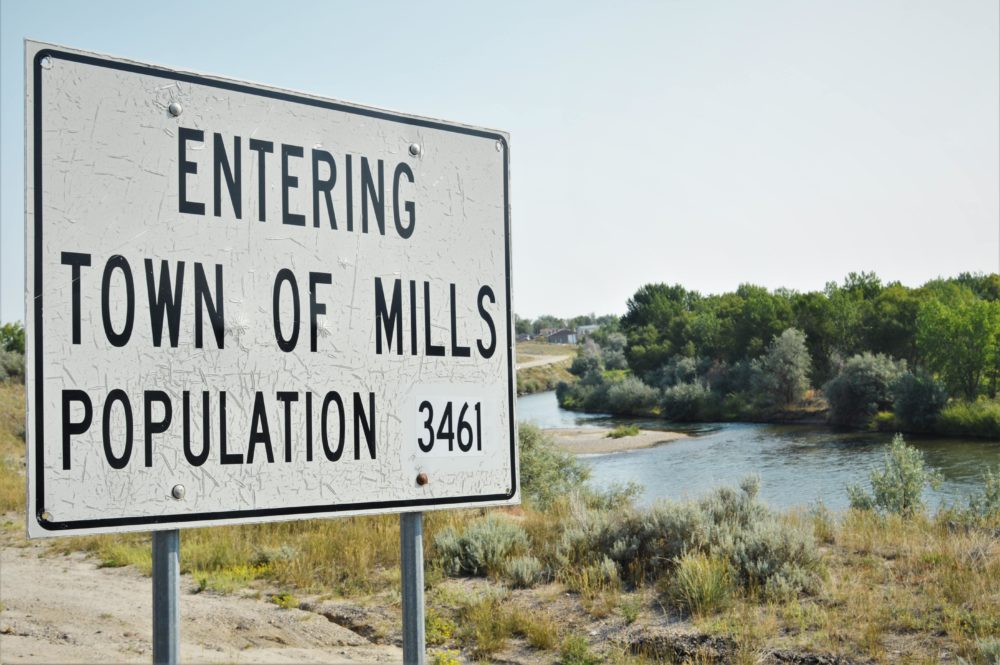
Mills has had to contend with some of these challenges firsthand. Mills first responders often assist police and fire operations in Casper through a mutual aid agreement, Coleman said. While the relationship goes both ways, Coleman said local agencies saw an increased strain as the population of the community began to increase and their state and federal funding levels remained static.
Similar scenarios may soon play out in places like Worland.
“It will be a real struggle to continue to do what we’ve been doing with this kind of reduced funding,” Worland mayor Jim Gill said. “It just won’t pencil out, I can tell you that.”
Options
The new census numbers and their implications come amid an ongoing funding battle between municipal officials and the Wyoming Legislature, which has pushed for communities to shoulder a greater burden of funding their services.
At present, the $105 million direct distribution comes out of the state’s savings account, commonly known as the Legislative Stabilization Reserve Account or LSRA, Rieman said. With persistent declines in revenue from fossil fuels, state lawmakers have pursued service cuts and relied heavily on the LSRA to help balance its budget, a trend fiscal analysts have warned is unsustainable in the long-term.
Community leaders could consider tax increases to backfill those losses, Cody Mayor Matt Hall said. However, voters in many communities have soundly defeated tax increases. “I know ours failed miserably,” he said.
Towns and counties could see some short-term solutions to help offset some of the strain from new arrivals. Funds from the federal American Rescue Plan as well as a new infrastructure package could present some of the clearest opportunities for small rural communities. Gov. Gordon has already weighed these options. Gordon also suggested there could be auxiliary programs from federal agencies like the U.S. Department of Agriculture that could offset declines seen in fossil fuel-reliant economies, like Sublette County. Some of those discussions, he said, are already underway.
Support independent reporting — donate to WyoFile today
“Mineral royalty grants and emergency grants won’t be funded at as high a level, which means that we will not have quite the same ability at the state level to meet some of those challenges,” Gordon said. “We have engaged with USDA and Rural Development to see if there are additional resources there that we can bring to bear on some of these issues.”
There is also a way for communities to challenge their census counts, according to Liu. Certain local governments could participate in the U.S. Census Bureau’s Special Census in a couple years at their own expense if they believe their population grew after the end of 2020 Census, he wrote in an email.
Without solutions, population declines in rural communities may continue, Worland’s Glanz said.
“[The loss of funding] could cause a ripple effect to the whole community,” Glanz said. “We could end up losing population if we can’t provide the services that people are wanting to see in the long-term.”
Support your local businesses.
You need to be there for them so they can be there for you later.
The Federal government prints fiat currency backed by only military force.
As of this week the petro dollar is in grave jeopardy as the military is a joke and the Executive branch is a clown show.
A reduction in the value of the dollar at the same time inventory is constrained by drought and shipping delays will spur additional inflationary pressure.
The Federal Reserve cannot raise interest rates and the threat of tapering would tank markets.
The Executive and Legislative branches of the Federal Govt will see more spending as the only answer, further fueling inflation.
More lockdowns are inevitable on the coasts, further limiting inventory.
We are therefore going to face obstacles we have not faced before.
We need to think like our pioneer and native ancestors.
Think local. Act local. Build economic relationships.
Socialism without resources leads to anarchy and violence.
Beware the utopian promises. They are hollow.
What keeps Wyoming afloat: wishful thinking and welfare handouts from other states. And then Wyomingians have the utter gall to bad-mouth the hand that literally feeds them! Grow up, little “cowboys” and “cowgirls”. Recite the “code of the west”.
It is even worse with federal AML funds. The state redirects that money to almost everything but mining reclamation and enforcement, and the lies to the public about its distribution. It is a slush fund.. Teton County, richest in the USA, has its hand out grabbing hundreds of millions.