Wyoming officials last week established the framework for a system to offset destroyed greater sage grouse habitat even as the federal government diluted protections for the imperiled species.
Wyoming now has 12 pages of rules governing sage grouse mitigation credits — a development/conservation swap system. Published by the Office of State Lands and investments Nov. 24., and adopted after direction from the Legislature, the rules outline how some developers must compensate for destruction of grouse habitat if they cannot avoid disturbing the landscape itself.
The program launch came on the heels of the U.S. Bureau of Land Management’s proposal to cut grouse protections on the lands it manages, including 17 million acres in Wyoming. The proposed BLM plan is the Trump administration’s second after a court in 2019 rejected an earlier revision.
Among other regulatory shifts, the latest proposal would place mitigation under the purview of individual states.
Conservationists and environmentalists have blasted the federal effort, citing scientific and legal failings and alleging kowtowing to extractive and fossil-fuel industries.
The agency said it followed court orders to take a hard look at alternatives, environmental impacts, cumulative effects and mitigation.
The new federal plans, “they recognize our [Wyoming] plan,” said Bob Budd, chairman of the Sage Grouse Implementation Team. His panel oversees Gov. Mark Gordon’s executive order protecting greater sage grouse.
“We have done what we need to do for the bird,” Budd said.
Second bite
Regardless of Wyoming’s efforts, the latest federal plan is “a second bite at a sour apple,” said Budd’s SIGIT teammate Brian Rutledge.
“They offered no new science,” said Rutledge, the National Audubon Society’s director of its sagebrush sea initiative.
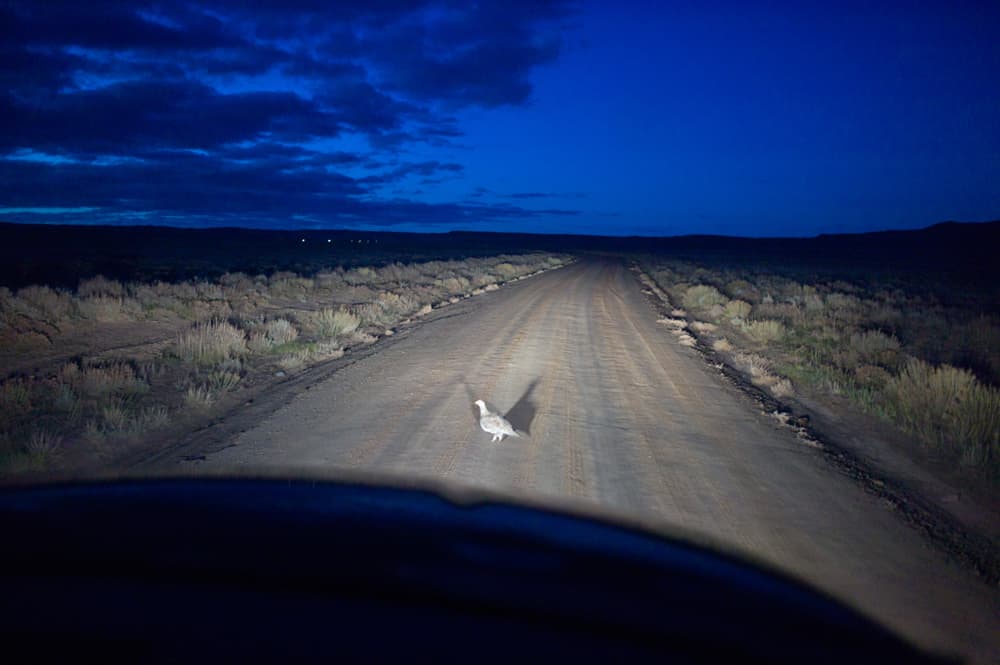
The BLM will adopt its latest revisions despite two court decisions saying BLM oil and gas lease auctions based on previous versions lack legal foundations.
Under President Barack Obama’s administration, the BLM in 2015 adopted grouse conservation rules, including some requiring a make-up for destroyed habitat. The plans were seen as crucial elements of a multi-agency, multi-stakeholder compromise aimed at conserving grouse populations without deploying Endangered Species Act protections, and bringing about the potentially devastating economic consequences associated with such an ESA listing.
Even under that Obama plan, grouse numbers were predicted to decline. Greater sage grouse numbers across the West dropped for three years before 2020 and biologists debate the cause.
President Donald Trump, however, weakened the 2015 Obama rules and eliminated mitigation requirements, citing a need to better align restrictions to state plans. Critics sued, forcing the BLM to make the latest changes.
The resulting EIS “does not change the scope or direction” of BLM management, Wyoming BLM’s Acting Director Kimber Liebhauser wrote in a cover letter to the 2020 BLM grouse conservation rules.
In Wyoming, “we are not doing what [Secretary of the Interior David] Bernhardt wants,” Rutledge said. “We don’t support lease sales that go off without paying attention to the [Wyoming] executive order.”
Wyoming’s executive order seeks to direct new leases and development outside core habitat. It places seasonal restrictions on drilling activity in grouse country, designates setbacks from valuable breeding sites called leks and limits the amount of habitat that can be disturbed in a particular area.
Oil and gas proponents say those restrictions are sufficient to protect grouse. They also point to residential and other development on private land as a more permanent impact on habitat.
Hard-core grouse supporters disagree that industry is in check. Even before Trump took office, conservationists sued the federal government over its leasing practices, said Jeremy Nichols, climate and energy program director with WildEarth Guardians.
He cited three major leasing lawsuits brought respectively by the Wilderness Society, Western Watersheds Project and his own organization, among others, each focusing on a different aspect of sagebrush and sage grouse conservation. They targeted oil and gas lease sales starting in 2018 and resulted in some sort of stay, remand or delay, to correct what judges saw as legal errors in the leasing processes.
More legal action is planned, Nichols said. “By the end of the Trump administration,” he said, every single oil and gas lease sold in Wyoming will be under some form of judicial cloud.”
Five-year inventory
Wyoming is home to about 38% of all the greater sage grouse in the world. But while the species may be protected here, as Budd and Rutledge say, whether it is a candidate for federal Endangered Species Act protection is a decision that considers its status in other states as well.
This summer, for example, wildfires in eastern Washington burned so much sagebrush the state Department of Fish and Wildlife believes the bird needs federal ESA protection there. Washington holds only 0.33% of the worldwide male sage grouse population and 1.6% of greater sage grouse habitat, according to U.S. Fish and Wildlife Service.
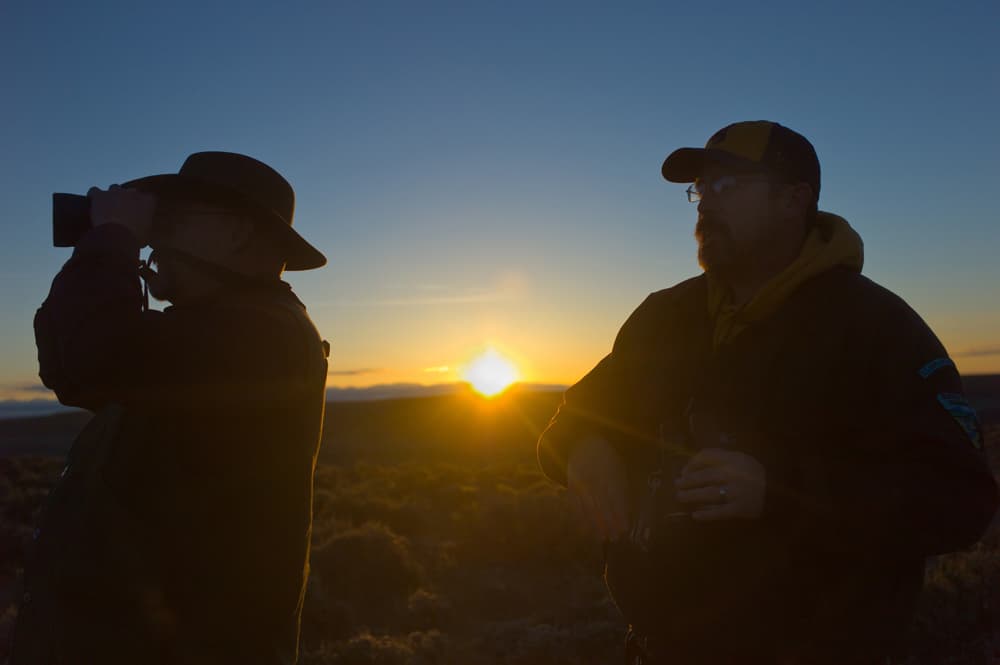
Meanwhile, Western Association of Fish and Wildlife Agencies is producing a grouse status report in the spring, said San Stiver, the group’s sage grouse coordinator. The association is “focused on the need to do an inventory of what the heck has happened in these five years,” Stiver said. The group will review habitat changes on public and private land, the loss of breeding ground lek sites and population numbers, among other things.
Lek abandonment is important because some state grouse trends are based only on annual counts of males on active leks. Many states, including Wyoming, do not factor in whether leks have been abandoned because of development and they do not estimate the overall population.
With that backdrop, several environmental groups blasted the latest BLM revisions to conservation plans. The BLM “can’t just paper over their mistakes in failing to protect sage-grouse habitat,” Western Watersheds Project’s Executive Director Erik Molvar said in a statement.
Trump and his minions are “hellbent on turning over the last refuges of the vanishing greater sage grouse to drilling, mining and grazing,” Michael Saul, a senior attorney at the Center for Biological Diversity, wrote in a statement. “It’s disgusting, transparent and illegal.”
The latest BLM efforts “just double down on [BLM’s] prior unlawful analysis,” wrote Sarah Stellberg, attorney with Advocates for the West that represents several environmental groups. The effort will fail in court, she predicted.
A clear process to follow
Wyoming’s recent adoption of habitat-replacement rules now give industry a clear process to follow, SIGIT’s Budd said. The Legislature completed that piece of the state’s conservation puzzle in 2020 by passing a bill directing the state lands office to adopt a “compensatory mitigation credit system.”
The lands office will establish an oversight group of various stakeholders to accept grouse-conservation projects to offset development that can’t be avoided. Conservation would take place at designated habitat “banks” approved by the U.S. Fish and Wildlife Service.
The oversight group would determine how many debits a developer might incur by exceeding disturbance limits or working in places and at times that would otherwise be prohibited. The group would balance that with conservation acts or credits in existing grouse habitat.
Support independent reporting — donate to WyoFile today
Tradeoffs would be approved by the land-office oversight group and federal wildlife officials. But the amount spent on each conservation credit would remain confidential.
Even before Wyoming adopted its official system, its earlier version didn’t see a lot of demand, Budd said. “People are instead avoiding the impacts to sage grouse by getting out of core areas,” he said.